Are 20 year old cars classics?
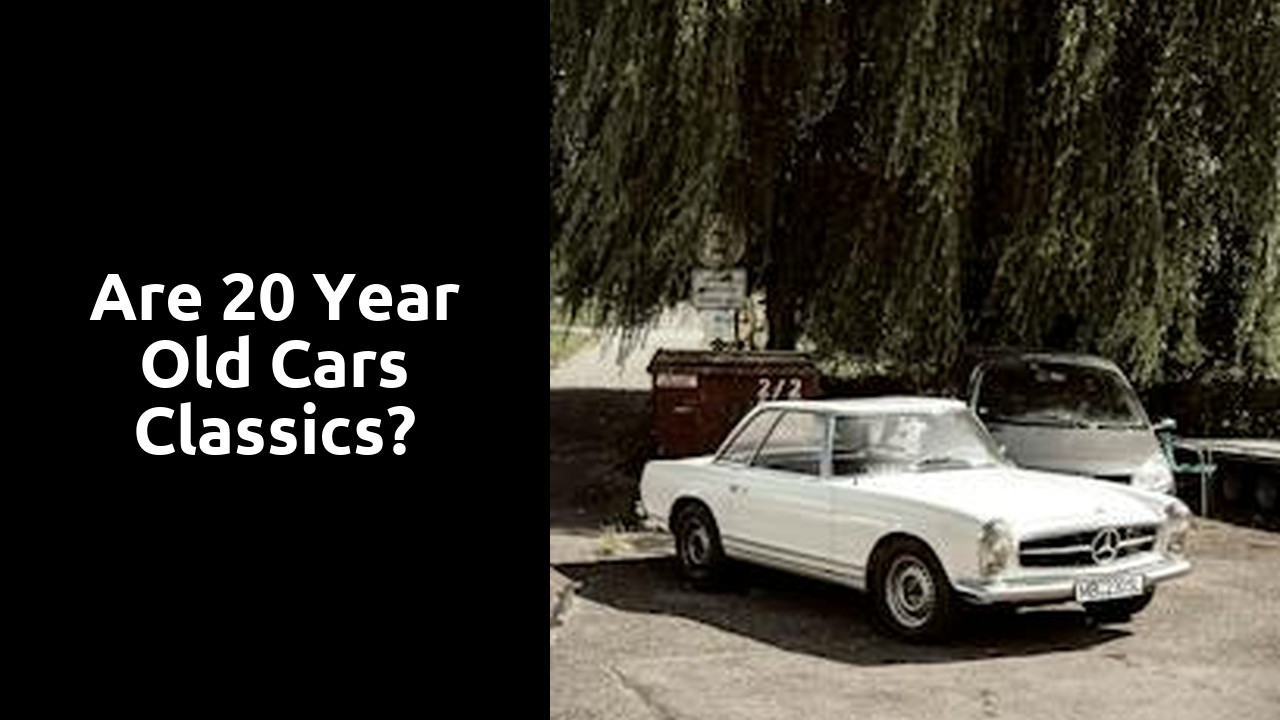
The Timeless Charm of 20YearOld Automobiles
The timeless charm of 20-year-old automobiles is undeniable. These vehicles carry with them a sense of nostalgia and a unique character that newer cars simply cannot match. From their sleek yet simple designs to their robust mechanical systems, these cars exude an aura of quality and craftsmanship that is often absent in today's mass-produced vehicles. The appeal of 20-year-old automobiles lies not only in their exterior aesthetics but also in the driving experience they offer. The steering feedback, the manual transmissions, and the raw power under the hood evoke a sense of connection and control that many enthusiasts find exhilarating. Owning and driving a 20-year-old car is like owning a piece of automotive history, a tangible link to a bygone era that continues to captivate car enthusiasts around the world.
Unveiling the Allure of Cars from Two Decades Ago
Unveiling the Allure of Cars from Two Decades Ago
Cars from two decades ago hold a unique allure that has captivated car enthusiasts around the world. These vehicles represent a time when technology was rapidly evolving, resulting in cars that were both impressive and charming in their own way. From their classic designs to their mechanical prowess, these 20-year-old automobiles continue to evoke a sense of nostalgia and admiration.
One of the major factors that contribute to the allure of cars from two decades ago is their timeless design. Whether it's the sleek curves of a sports car or the refined elegance of a luxury vehicle, these cars have a certain aesthetic that never goes out of style. The attention to detail and craftsmanship put into their construction is evident, making them stand out among modern-day automobiles. Moreover, the use of high-quality materials and fine finishing touches further enhance their appeal, creating a sense of luxury and prestige.
Appreciating the Enduring Appeal of 20YearOld Vehicles
The enduring appeal of 20-year-old vehicles lies in their unique combination of nostalgia and reliability. These cars hold a special place in the hearts of collectors and enthusiasts alike, transporting them back to a time when simplicity and elegance were celebrated. Whether it's the sleek curves of a sports car or the ruggedness of a classic SUV, these vehicles have a timeless charm that continues to captivate.
One of the reasons why 20-year-old vehicles maintain their allure is their dependability. Despite their age, these cars were built during an era when craftsmanship and durability were paramount. Many of them were designed with mechanical components that were meant to last, making them reliable options for daily commuting or weekend adventures. Moreover, their simplicity in terms of technology and electronics means that they can often be repaired and maintained more easily than modern vehicles, further contributing to their appeal.
Exploring the Status of Older Cars in the Modern Classic Car Scene
Older cars hold a unique place in the modern classic car scene, signifying a bygone era of automotive design and craftsmanship. While newer models boast sleeker lines and cutting-edge technology, the enduring appeal of 20-year-old vehicles lies in their timeless charm and simplicity. These cars serve as a nostalgic reminder of a time when driving was an experience rather than a means of transportation.
In the modern classic car scene, older cars are appreciated for their historical value and the sense of nostalgia they evoke. These vehicles have a way of transporting enthusiasts back in time, allowing them to relive the excitement and emotions associated with a particular era. The status of 20-year-old cars lies in their ability to connect the past with the present, bridging the gap between generations and offering a tangible link to our automotive heritage. Despite the rapid advancements in technology, the enduring appeal of older cars proves that sometimes, the classics truly never go out of style.
A Closer Look at the Classification of Cars from Two Decades Past
When it comes to classifying cars from two decades ago, several factors come into play. One of the primary ways to categorize these vehicles is by their market segment. Different types of cars, such as subcompact, compact, midsize, and full-size, were popular at the time and still hold relevance today. This classification helps us understand how these cars fit into the overall landscape of the automotive industry and provides a framework for comparing and evaluating their features, performance, and value.
Another important aspect to consider when classifying cars from two decades ago is their technological advancements. The late 1990s and early 2000s saw significant progress in terms of safety features, performance enhancements, and luxury amenities. Cars from this era may be distinguished by the introduction of features such as airbags, anti-lock braking systems, traction control, and improved engine technologies. By examining the technological advancements of these vehicles, we can better appreciate their place in automotive history and assess their value and desirability in today's market.
Nostalgic Reflections on 20YearOld Cars: Classic or Not?
When it comes to nostalgia, few things evoke the same sense of longing and reminiscence as 20-year-old cars. The allure of these vehicles lies in their ability to transport us back to a time when driving was an experience rather than a mere means of transportation. It's not just about the aesthetics or the mechanics of the car; it's about the memories associated with it - road trips with friends, late-night drives with the radio blaring, and the freedom that comes with being behind the wheel. These 20-year-old cars, though no longer the latest models, have a timeless charm that continues to captivate car enthusiasts and collectors alike.
However, the debate over whether these 20-year-old cars can be considered classics remains a contentious one. There are those who argue that a vehicle must meet certain criteria, such as rarity, historical significance, or exceptional craftsmanship, to be classified as a classic. While 20-year-old cars may not tick all of these boxes, they undoubtedly hold a special place in the hearts of many. For enthusiasts, the sentimental value and the emotional connection they have with these vehicles may be reason enough to consider them classics in their own right. Ultimately, whether these 20-year-old cars are seen as classics or not, their enduring appeal and nostalgic power cannot be denied.
FAQS
What is considered a classic car?
A classic car is typically defined as a vehicle that is at least 20 years old, has historical significance, and is in good condition.
Are 20-year-old cars considered classics?
Yes, according to the commonly accepted definition, 20-year-old cars can be considered classics.
What makes a 20-year-old car a classic?
A 20-year-old car can be considered a classic if it holds a certain level of historical significance, popularity, and enduring appeal.
Are all 20-year-old cars valuable?
Not all 20-year-old cars have significant value. The value of a car depends on factors such as its make, model, condition, rarity, and desirability among collectors.
Can a 20-year-old car be considered a collectible?
Yes, a 20-year-old car can be considered a collectible if it is sought after by collectors for its historical or nostalgic value.
Do 20-year-old cars qualify for classic car insurance?
Generally, most insurance companies qualify cars as classics if they are at least 20 years old. Therefore, 20-year-old cars can typically qualify for classic car insurance.
Can I modify a 20-year-old car and still consider it a classic?
Modifying a 20-year-old car can impact its classification as a classic. However, if the modifications are tastefully done and enhance the car's appeal without significantly altering its originality, it can still be considered a classic.
Are 20-year-old cars reliable for daily use?
20-year-old cars may still be reliable for daily use depending on their previous maintenance and overall condition. However, it is important to keep in mind that older cars may require more frequent maintenance and repairs compared to newer vehicles.
Are 20-year-old cars fuel-efficient?
In general, 20-year-old cars tend to have lower fuel efficiency compared to newer models. However, this can vary depending on the make, model, and specific engine configuration of the vehicle.
Can I find parts for a 20-year-old car?
Parts for 20-year-old cars can still be found, but availability may vary depending on the specific make and model. Some popular models may have a larger aftermarket support, making it easier to find parts compared to rare or discontinued models.
Related Links
What is the best classic car to drive?What was the most popular old car?